Save Money and Energy at Home: What Really Works
The average American household spends approximately $2,000 per year on energy costs, with electricity accounting for the majority of that expenditure. For many families, this represents a significant and growing financial burden — one that can be substantially reduced through a combination of behavioral changes, low-cost improvements, and strategic investments in efficiency technologies.
The challenge is knowing which strategies actually deliver meaningful savings and which are largely ineffective despite their marketing claims. At The Civic Post, our independent research team has evaluated dozens of energy-saving approaches, consulting peer-reviewed research, government data, and real-world consumer experiences to identify what genuinely works.
Key Finding
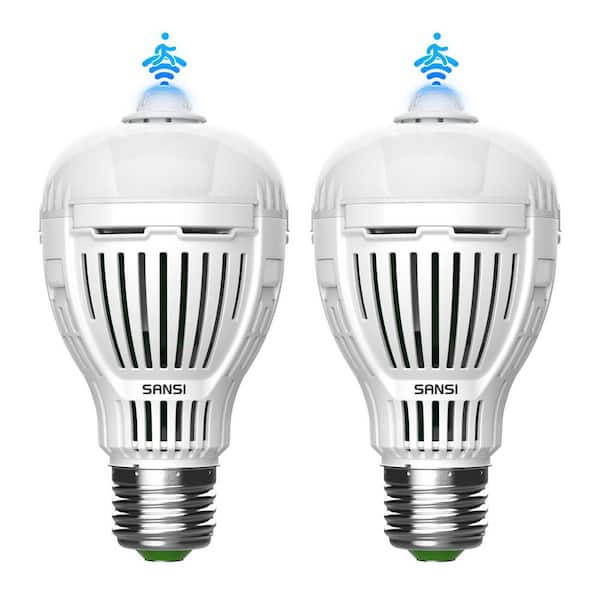
The five most impactful energy-saving measures — LED lighting, smart thermostat, air sealing, appliance upgrades, and behavioral changes — can collectively reduce a typical household's energy costs by 30% to 50% when implemented together.
Heating and Cooling: Where the Big Money Is
Heating and cooling account for 43% of the average home's energy consumption, making HVAC systems the single most important target for efficiency improvements. The good news is that several highly effective interventions are available at a range of price points, from free behavioral changes to significant but high-return investments.
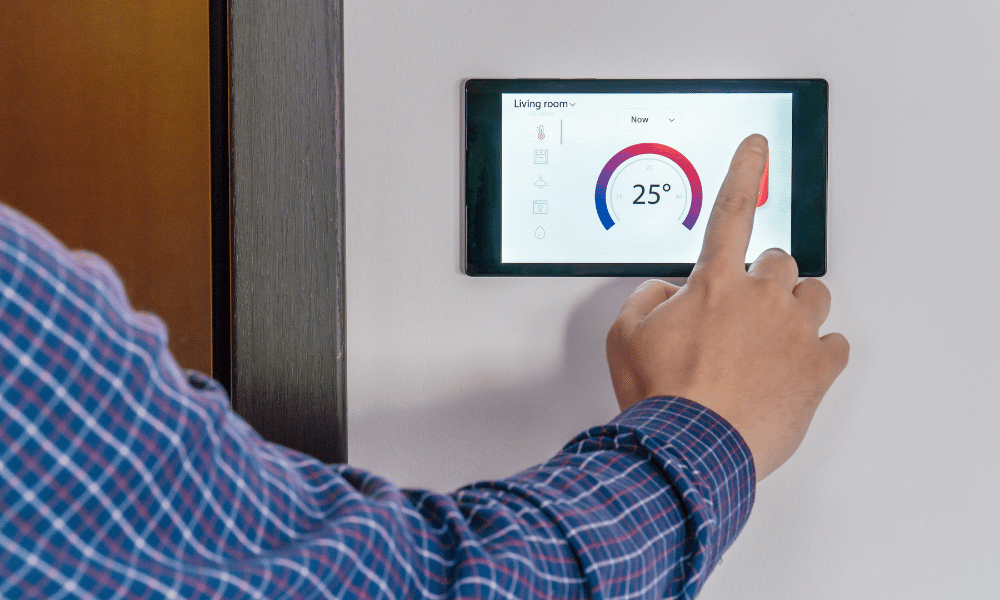
The most impactful free measure is simply adjusting your thermostat settings. The Department of Energy recommends setting your thermostat to 68°F (20°C) when you are home in winter and 78°F (26°C) when you are home in summer, then adjusting to more energy-efficient settings when you are away or sleeping. Each degree of adjustment in the right direction saves approximately 1% on your heating or cooling costs.
A programmable thermostat automates these adjustments, ensuring that your home is always at the optimal temperature for both comfort and efficiency without requiring you to remember to make manual changes. The EPA estimates that a properly programmed thermostat saves homeowners an average of $180 per year on heating and cooling costs — a payback period of less than one year for most models.
Smart thermostats take automation further by learning your schedule and preferences, detecting occupancy, and connecting to weather data to optimize performance. While they cost more than basic programmable models, their additional capabilities can deliver incremental savings that justify the higher upfront investment over time.
The Real Cost of Inefficient Appliances
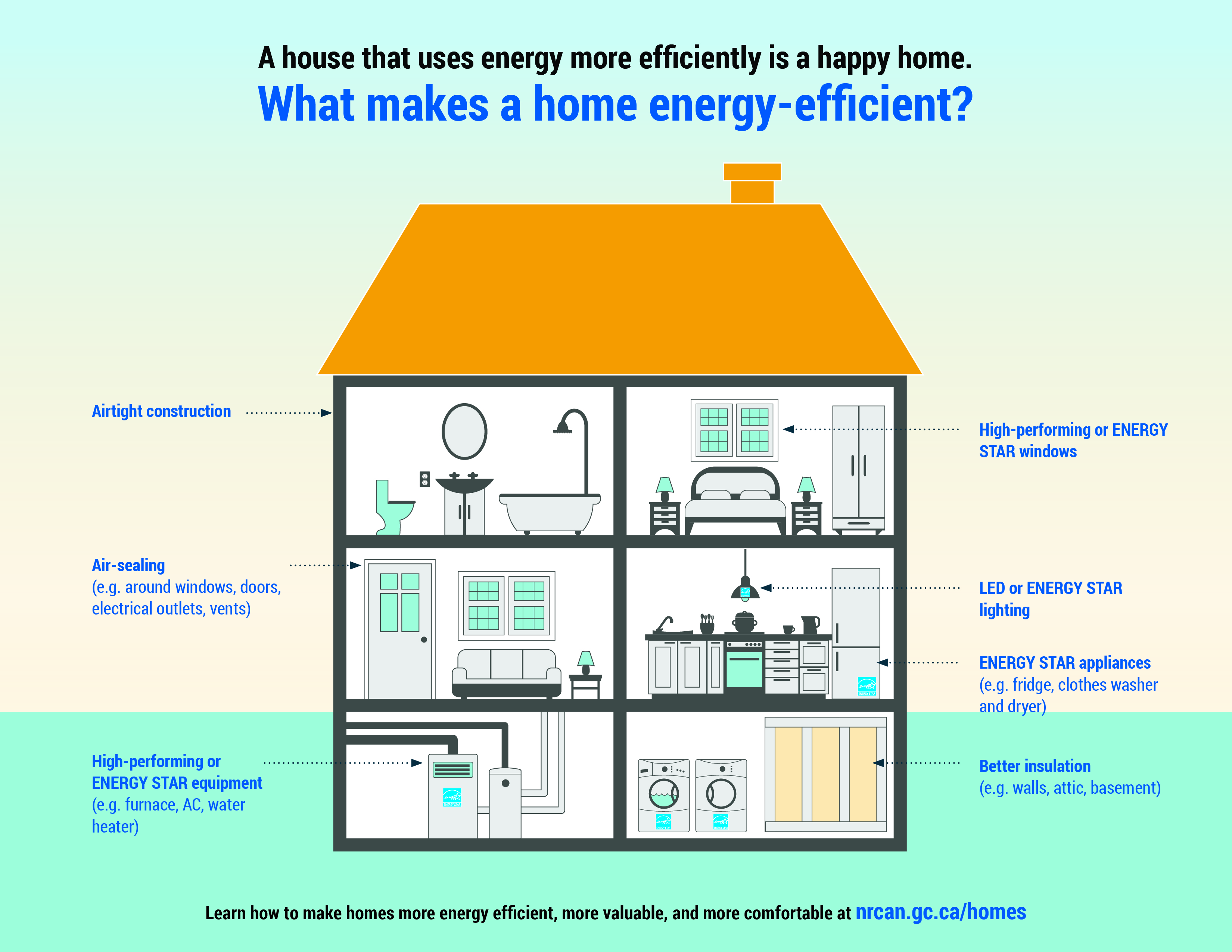
Major appliances — refrigerators, washing machines, dryers, dishwashers, and water heaters — collectively account for approximately 20% of a typical home's energy consumption. The efficiency gap between old, inefficient models and modern ENERGY STAR-certified appliances can be substantial, with some older refrigerators consuming three to four times more electricity than their modern equivalents.
The decision of when to replace an aging appliance involves balancing the remaining useful life of the existing unit against the energy savings that a new, efficient model would deliver. As a general rule, appliances more than 10 to 15 years old are likely to be significantly less efficient than current models, and the energy savings from replacement may justify the purchase cost within a few years.
Is Solar Right for Your Home?

Residential solar power has become one of the most discussed energy topics among homeowners, and for good reason: the combination of dramatically falling installation costs, generous federal and state incentives, and rising electricity rates has made solar a financially compelling option for millions of American households.
The fundamental question for any homeowner considering solar is whether the long-term savings on electricity costs will exceed the upfront installation cost, after accounting for available incentives. For most homeowners in regions with adequate solar resources and high electricity rates, the answer is yes — but the specifics vary significantly based on individual circumstances.
Key factors that determine the financial case for solar include your home's solar resource (how much sunlight your roof receives and at what angle), your current electricity consumption and rate, the cost of installation in your area, and the incentives available to you. A professional solar assessment from a reputable installer can provide a customized analysis of your specific situation.
The federal Investment Tax Credit currently allows homeowners to deduct 30% of their solar installation costs from their federal income taxes, significantly improving the financial return. Many states offer additional incentives, and net metering programs — which credit homeowners for excess electricity fed back into the grid — further enhance the economics of residential solar.
Understanding Your Electricity Bill
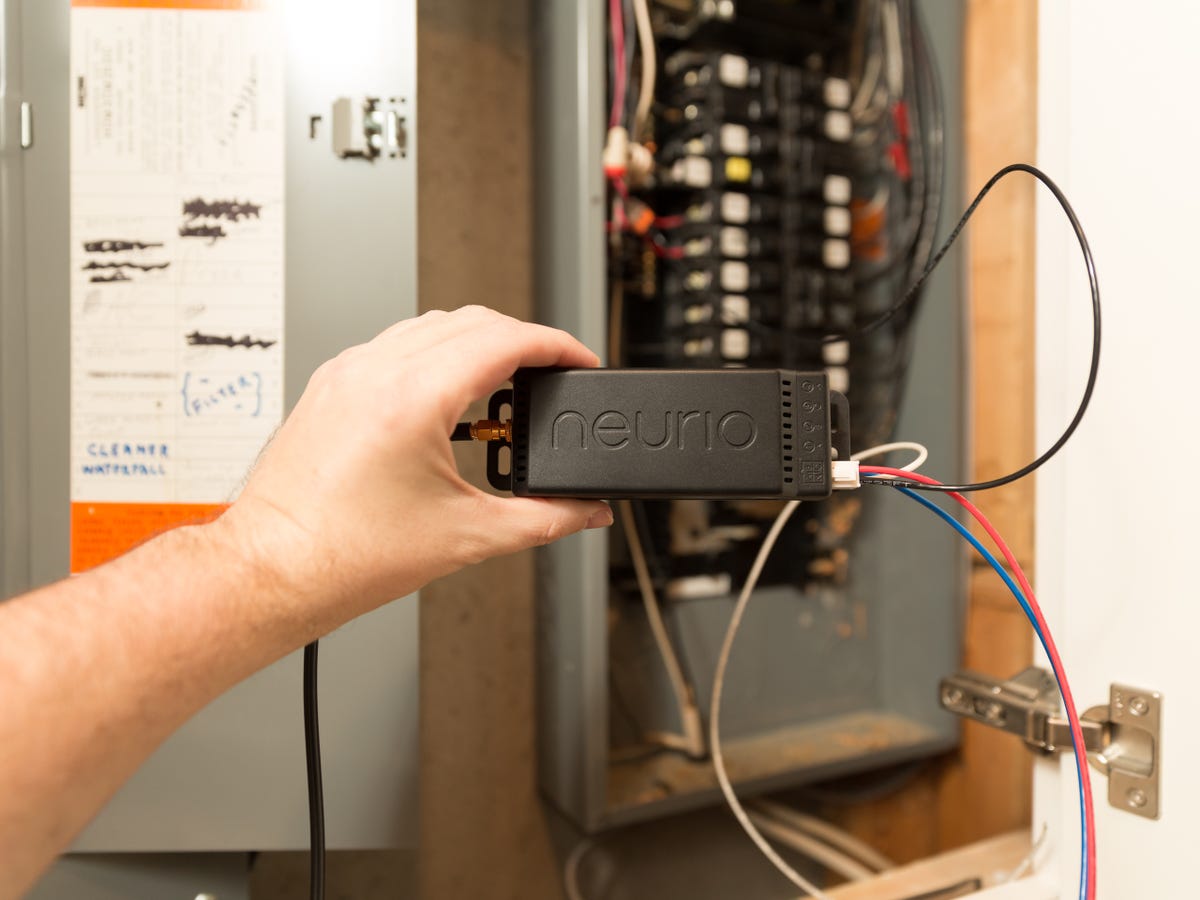
Before implementing any energy-saving measures, it is essential to understand your current electricity consumption and costs. Your monthly electricity bill contains valuable information that can help you identify the most impactful areas for improvement and track your progress over time.
The most important figure on your bill is your total kilowatt-hour (kWh) consumption for the billing period. This number reflects the total amount of electrical energy your household used during that time. Comparing this figure across months and years reveals seasonal patterns and the impact of efficiency improvements you have made.
Many utilities now offer time-of-use (TOU) rate plans that charge different prices for electricity depending on the time of day it is consumed. Under these plans, electricity is more expensive during peak demand periods — typically weekday afternoons and evenings — and less expensive during off-peak hours. Shifting energy-intensive activities like running the dishwasher or washing machine to off-peak hours can reduce your electricity costs without reducing consumption.
No-Cost Energy Saving Strategies
Not all energy-saving measures require upfront investment. Many of the most effective strategies cost nothing to implement and can begin reducing your electricity bill immediately. These behavioral and operational changes are the logical starting point for any household energy efficiency effort.
- Adjust thermostat settings: Lower heating temperatures by 7°F to 10°F for 8 hours per day to save up to 10% annually on heating costs.
- Use cold water for laundry: About 90% of the energy used by washing machines goes to heating water. Switching to cold water washing saves $60 or more per year.
- Run full loads only: Dishwashers and washing machines use roughly the same amount of energy regardless of load size. Running full loads maximizes efficiency.
- Unplug idle electronics: Televisions, computers, gaming consoles, and chargers draw power even when not in use. Using smart power strips or simply unplugging devices eliminates this phantom load.
- Use natural ventilation: On mild days, open windows to allow natural breezes to cool your home instead of running air conditioning.
- Optimize refrigerator settings: The refrigerator compartment should be set between 35°F and 38°F, and the freezer between 0°F and 5°F. Warmer settings waste energy; colder settings waste even more.
- Cook efficiently: Match pot size to burner size, keep lids on pots to retain heat, and use the microwave or toaster oven for small meals instead of the full oven.